
The Rideau Canal is a monumental engineering feat built nearly 200 years ago. Spanning 202 kilometers, it weaves together the Rideau and Cataraqui Rivers, stretching from Ottawa in the north to Kingston on the shores of Lake Ontario. Powered by a chain of reservoirs and 47 massive locks, it raises water levels to create navigable depths—originally engineered specifically for steamship transit.
As North America’s best-preserved “slackwater” canal, it stands as the sole survivor from the great canal-building era of the early 19th century. Today, its historic route remains virtually unchanged, with most of its original structures intact. Dotted with six blockhouses and a major fortress—along with defensive lockgates and guardhouses added across various stations—the canal itself formed a fully integrated military defense system.
Lock-hopping by boat has always been a delightfully scenic way to travel. Local paddling enthusiasts still pass around ultimate guides for traversing the entire waterway, and outdoor groups even organize end-to-end hikes, awarding certificates to those who complete the trek.
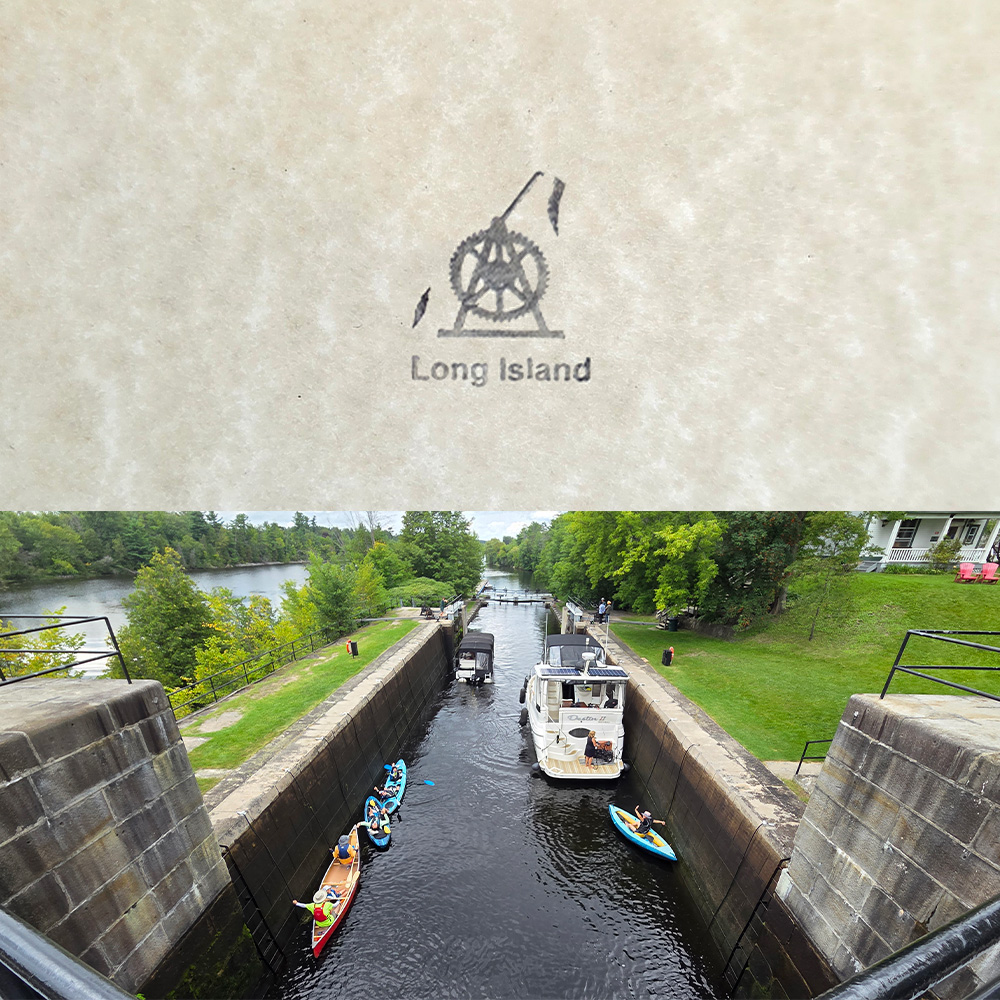
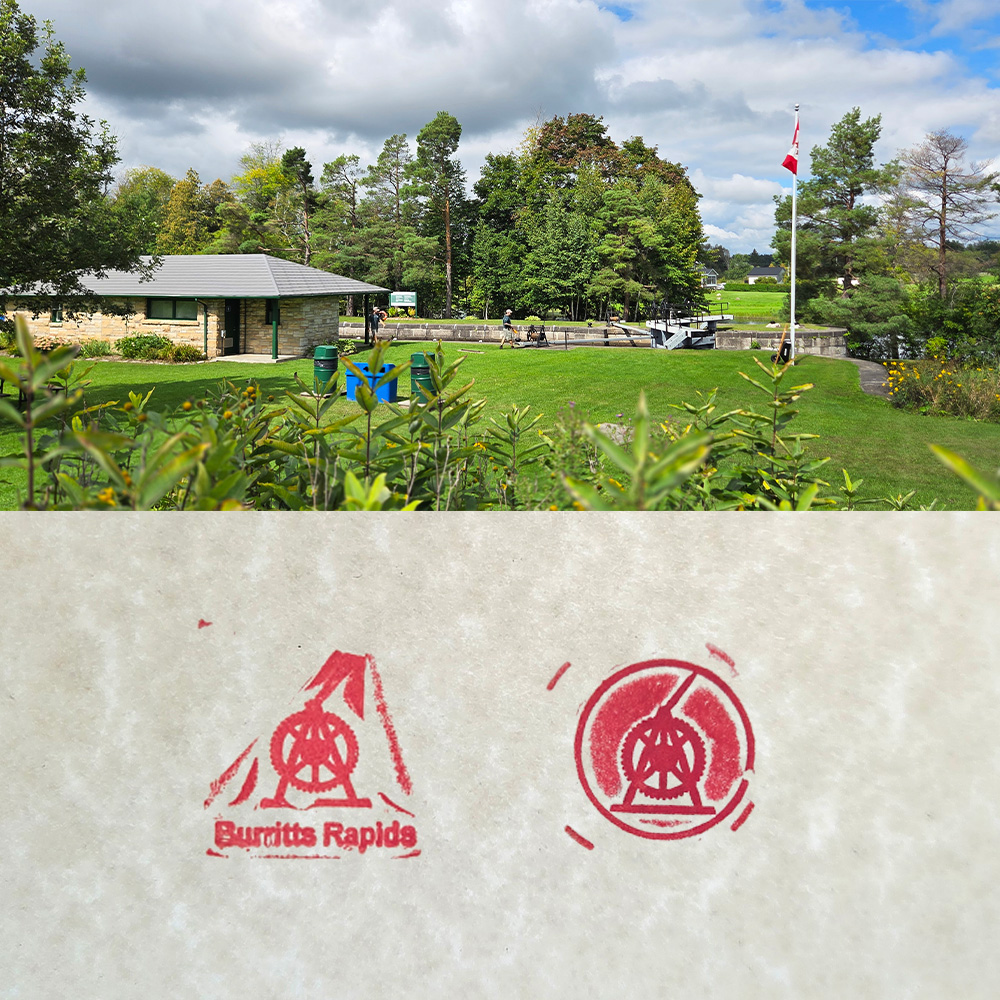
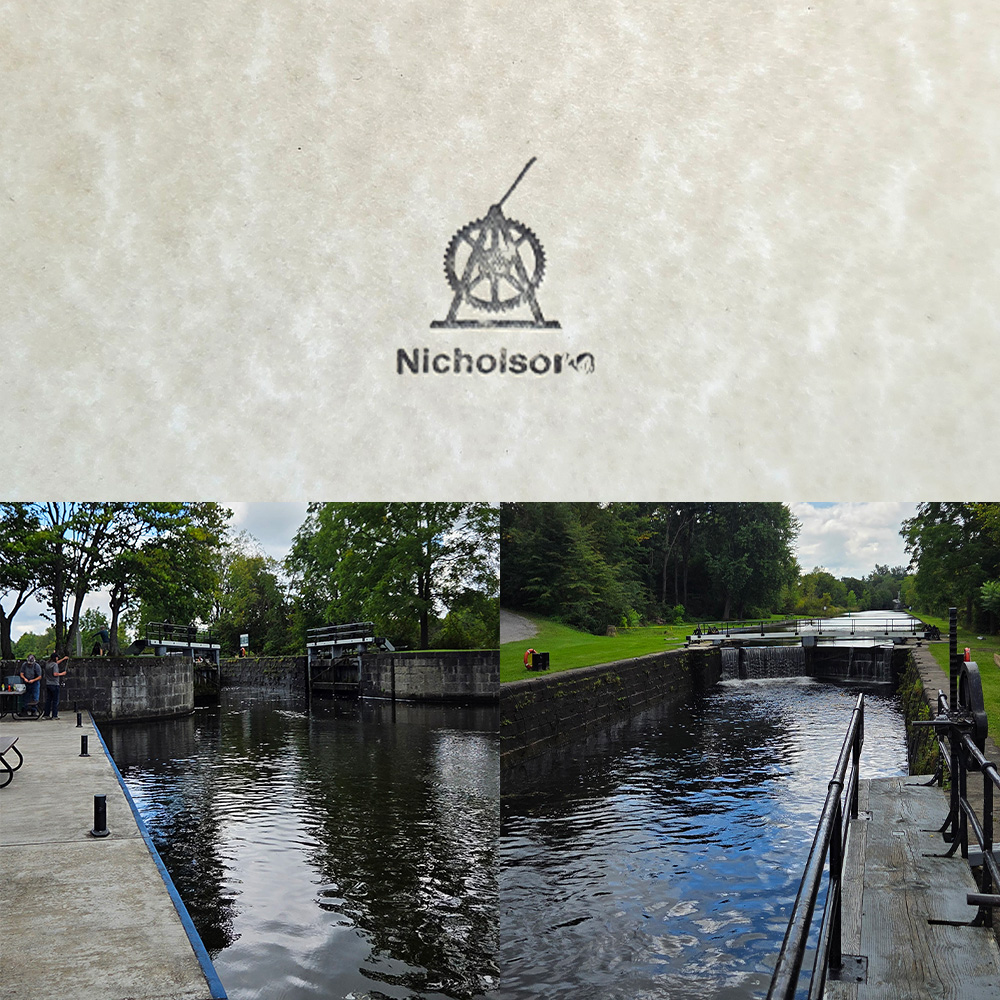
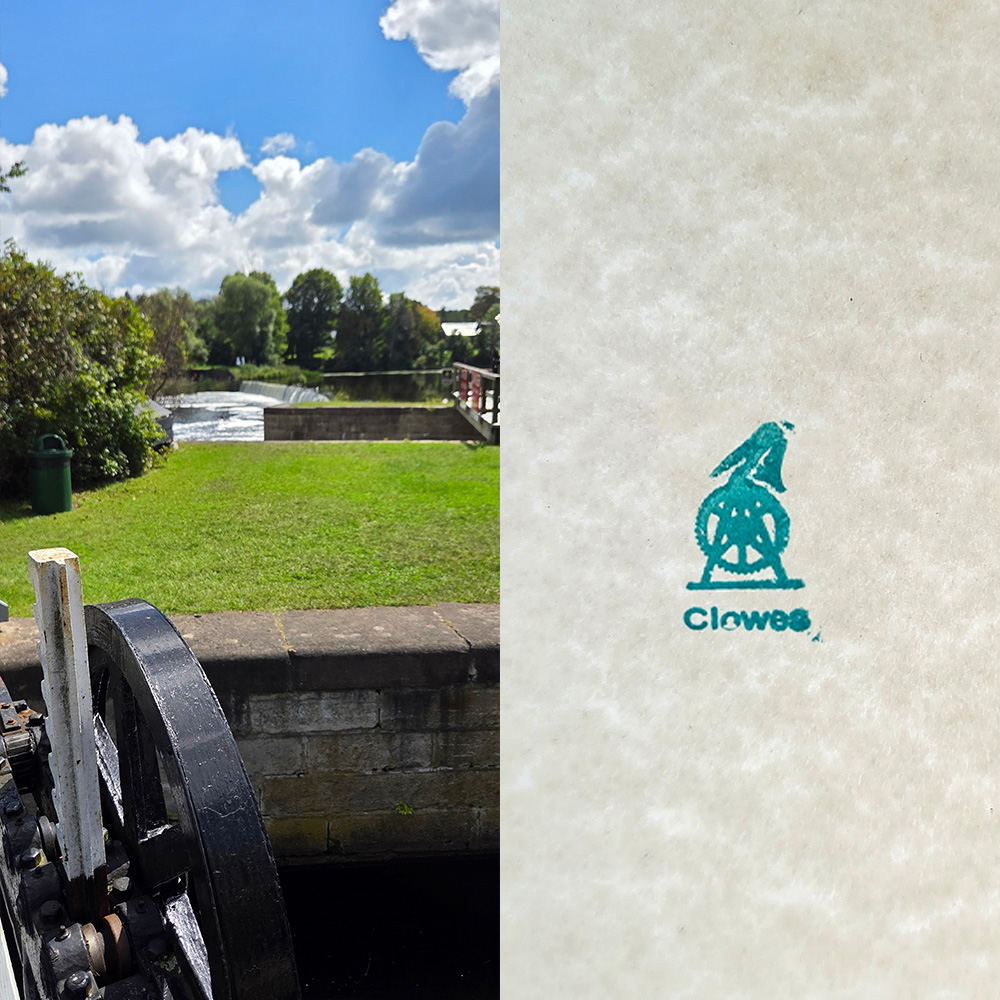
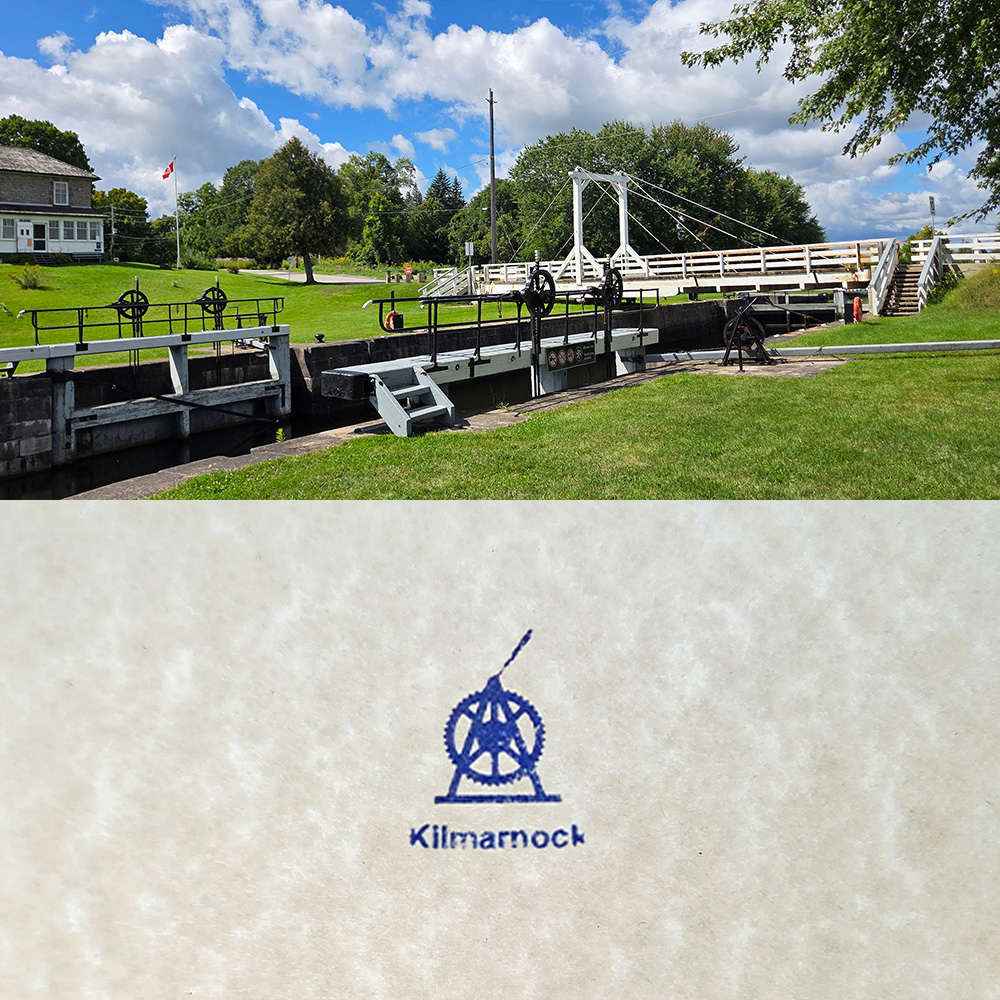
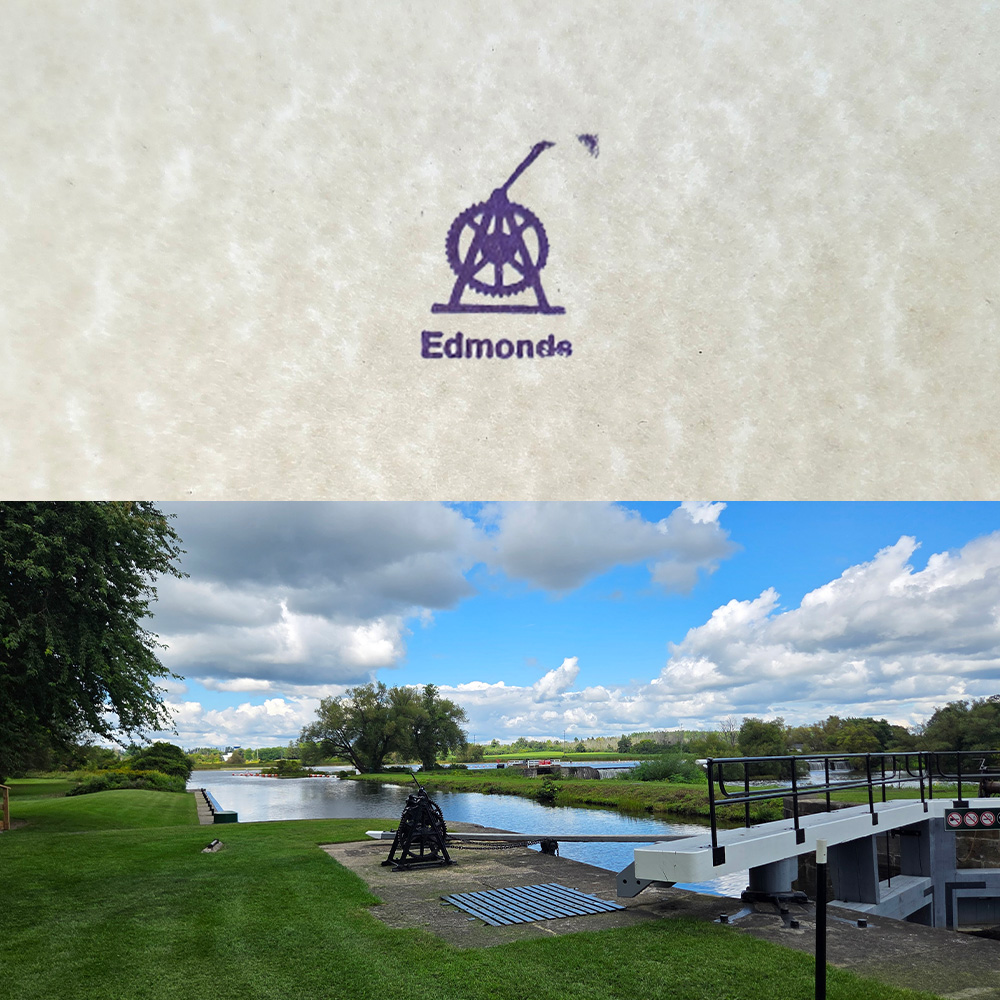
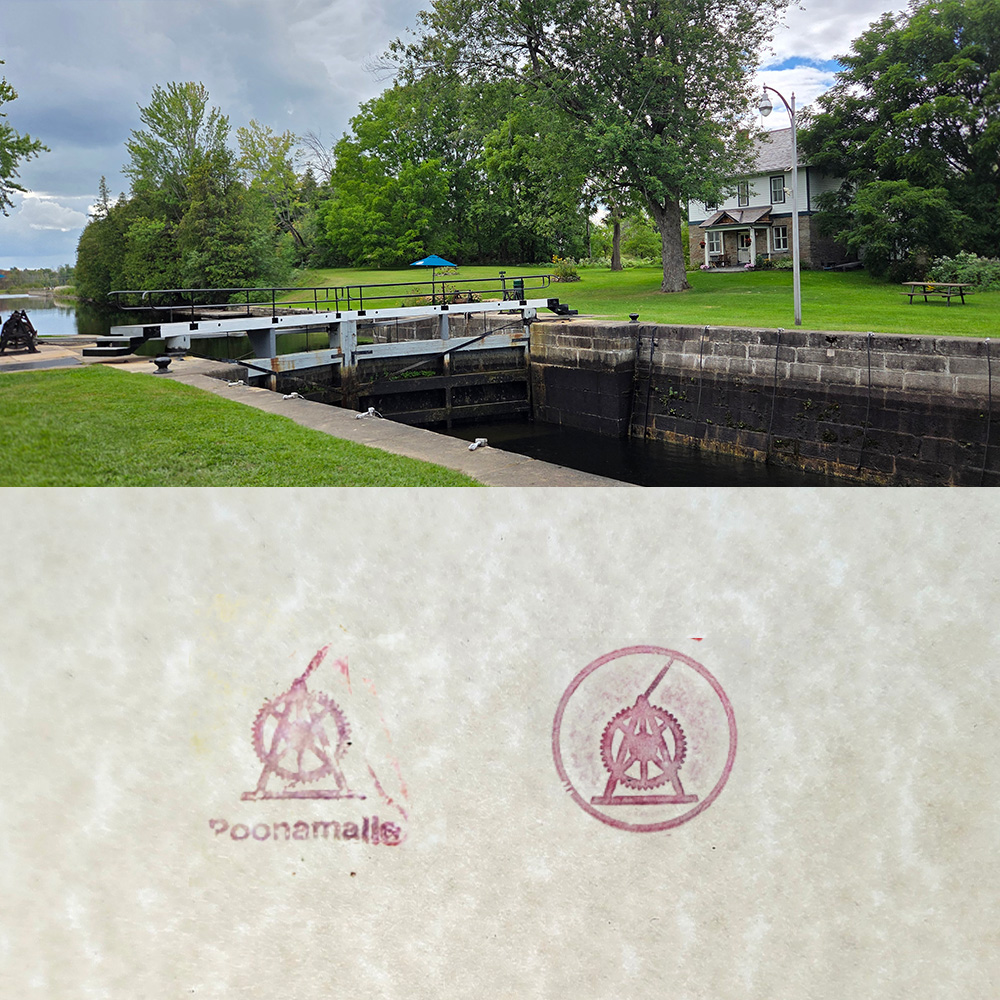
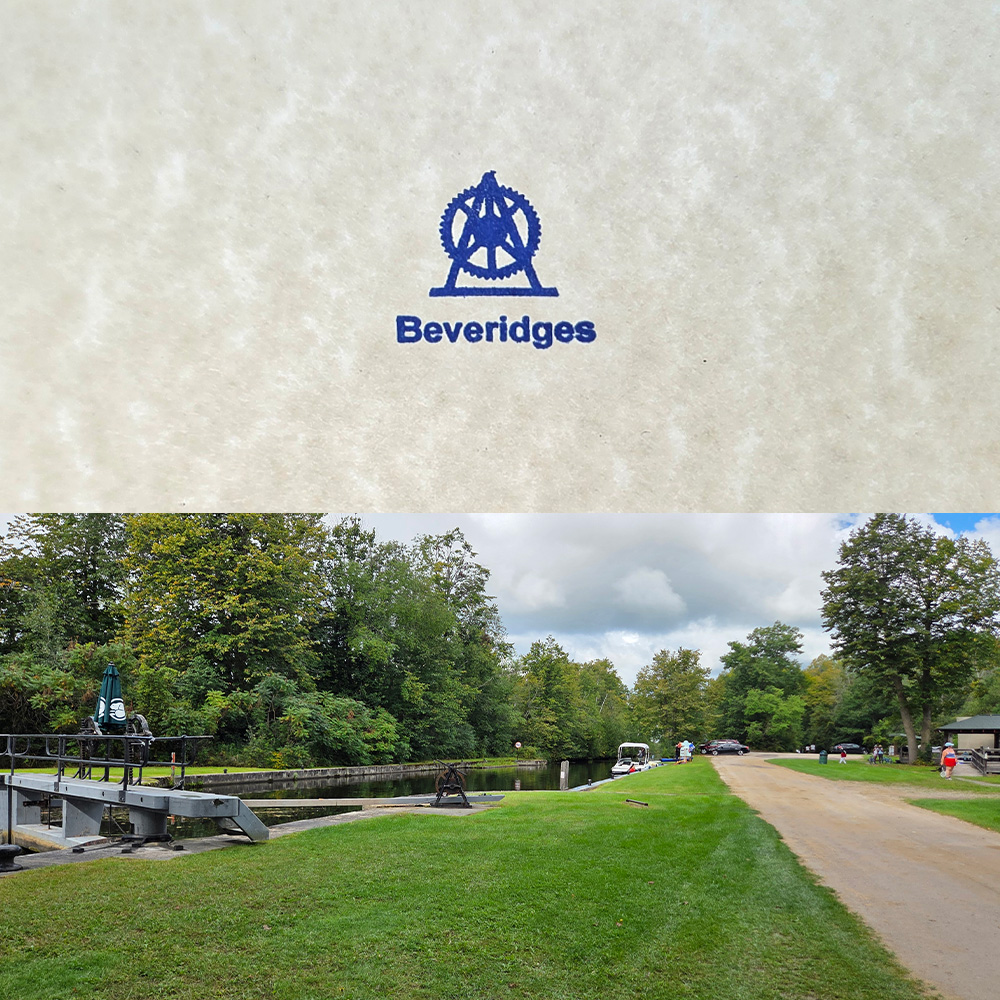
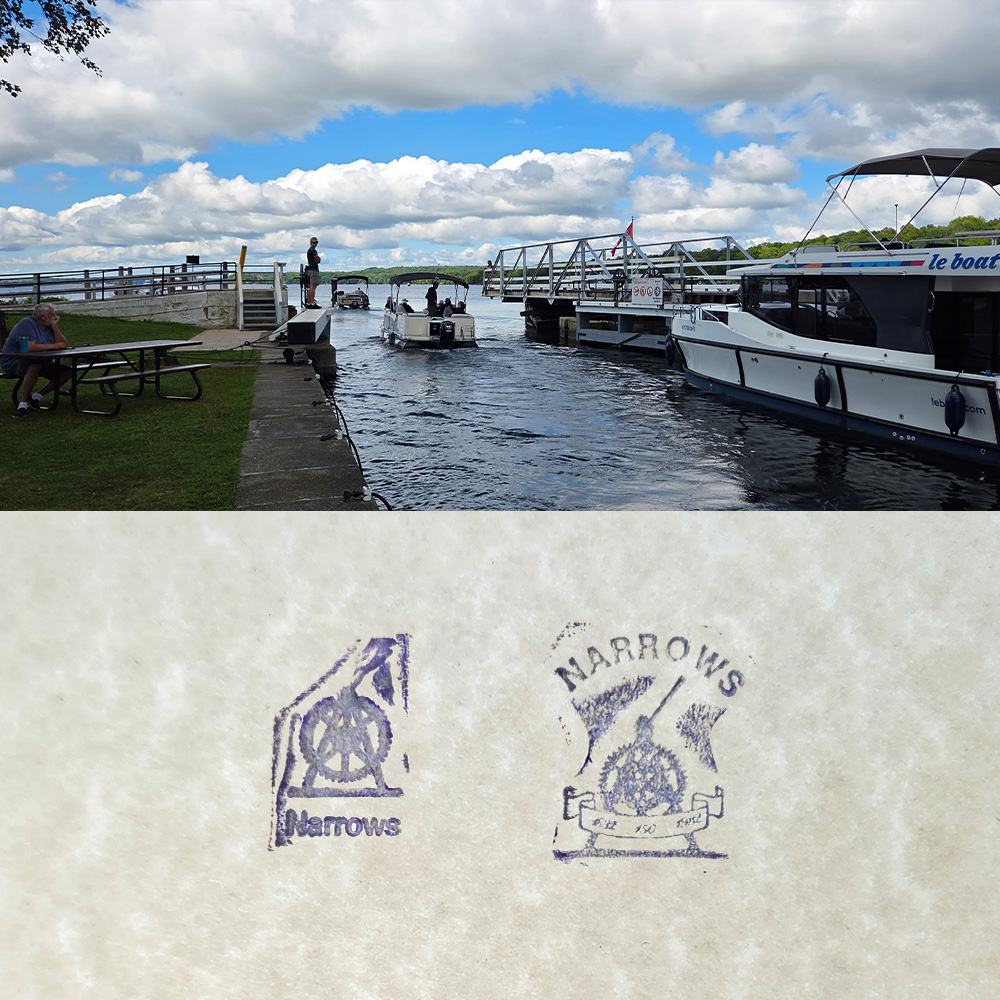
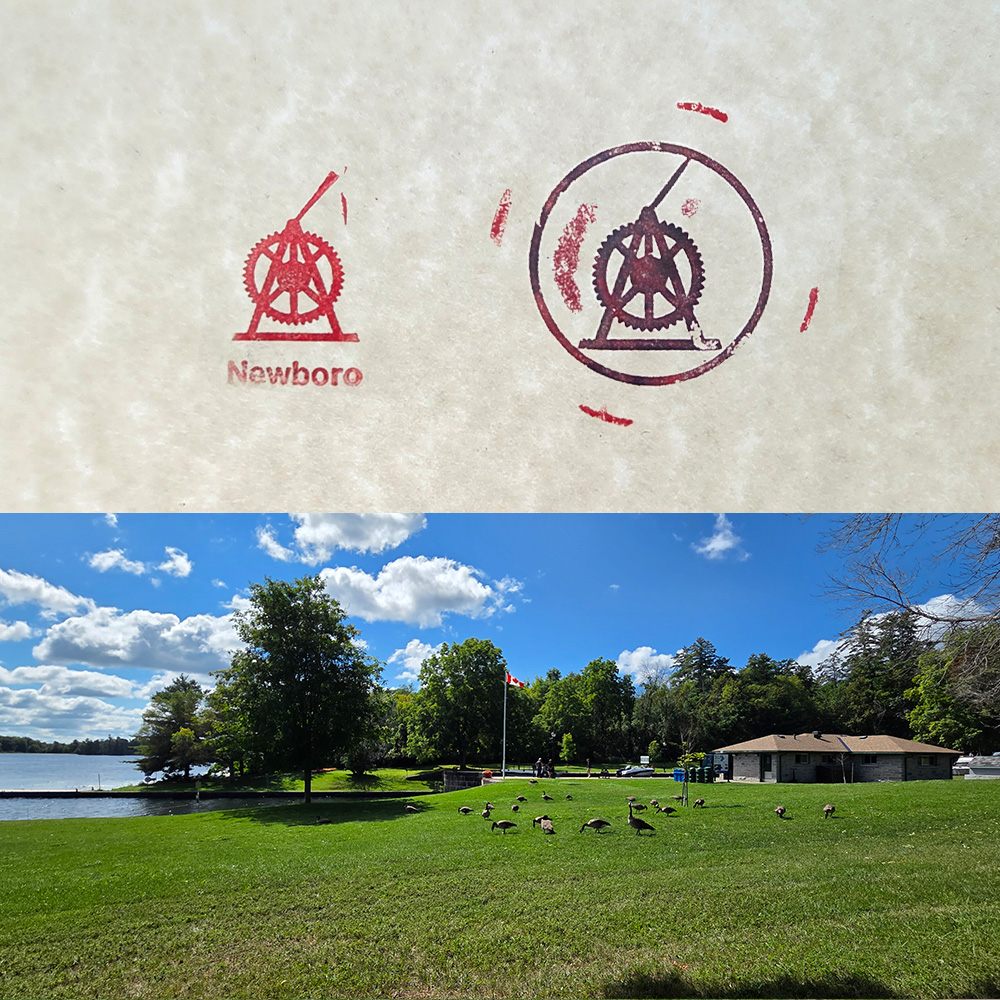
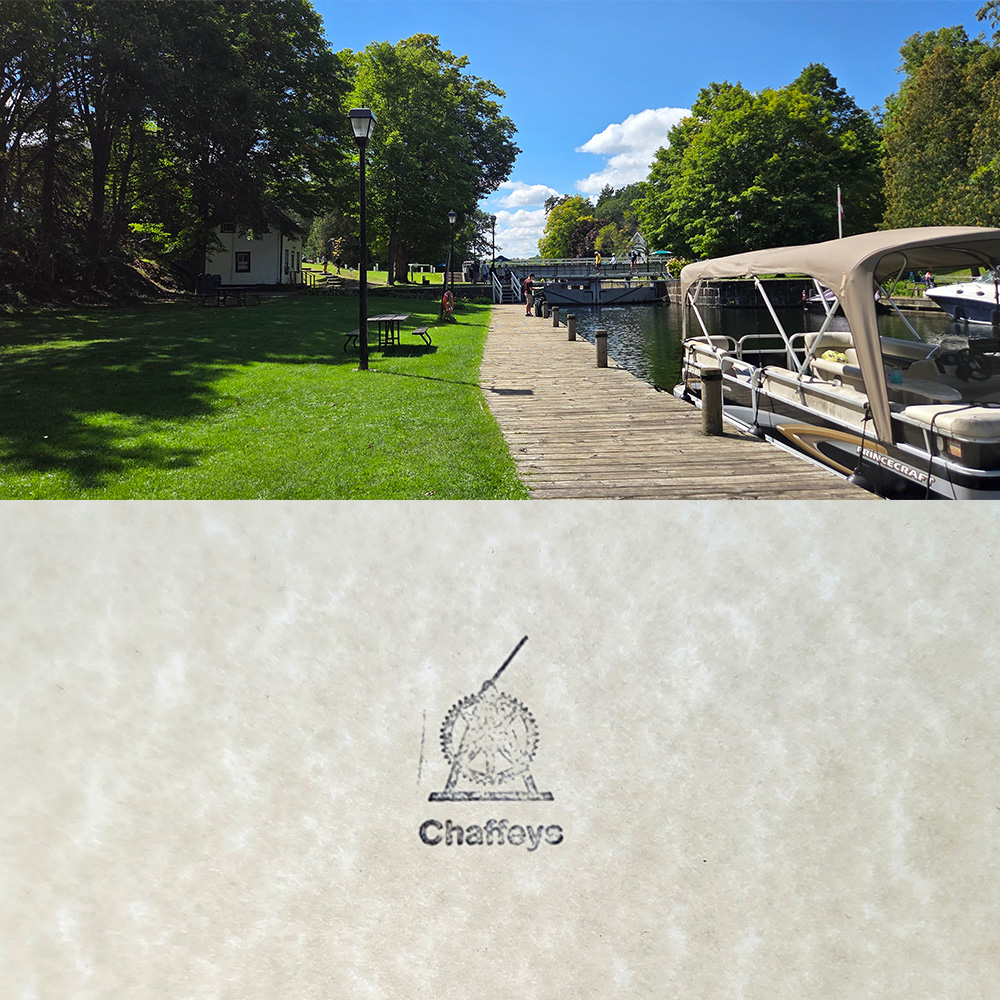
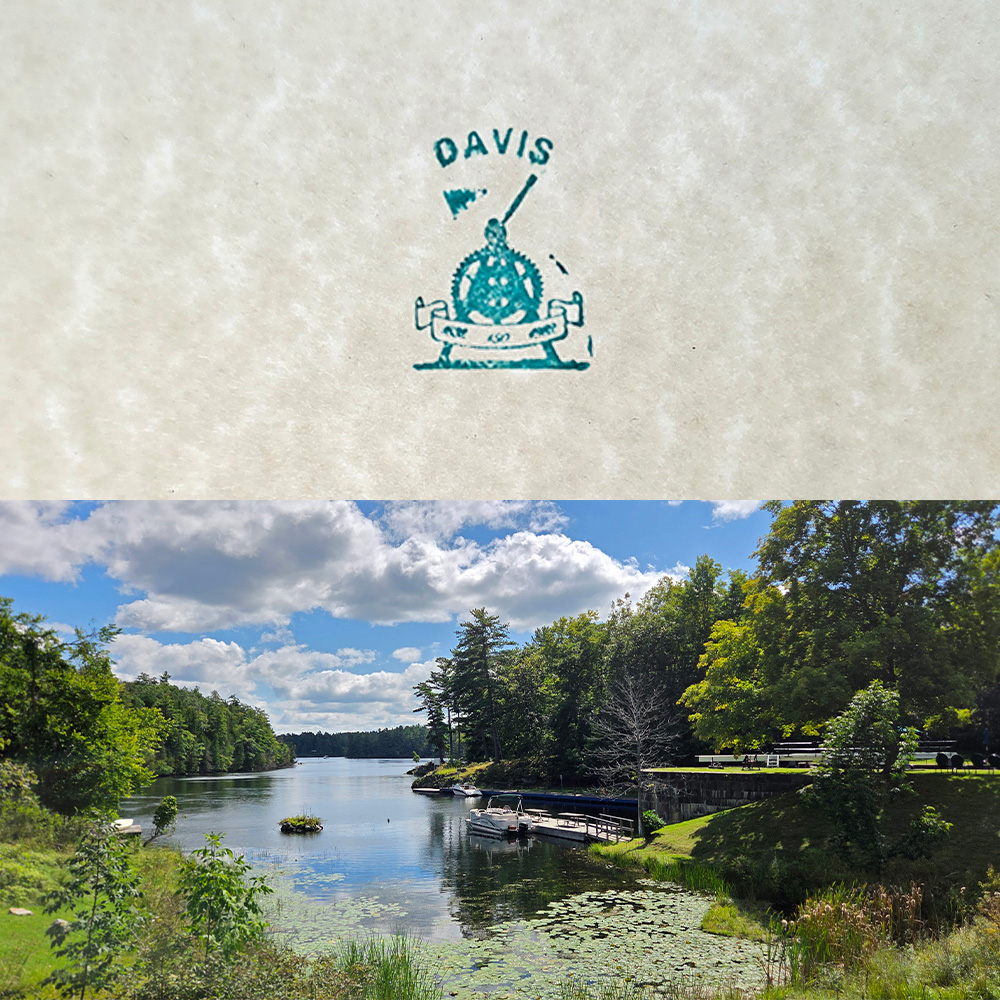
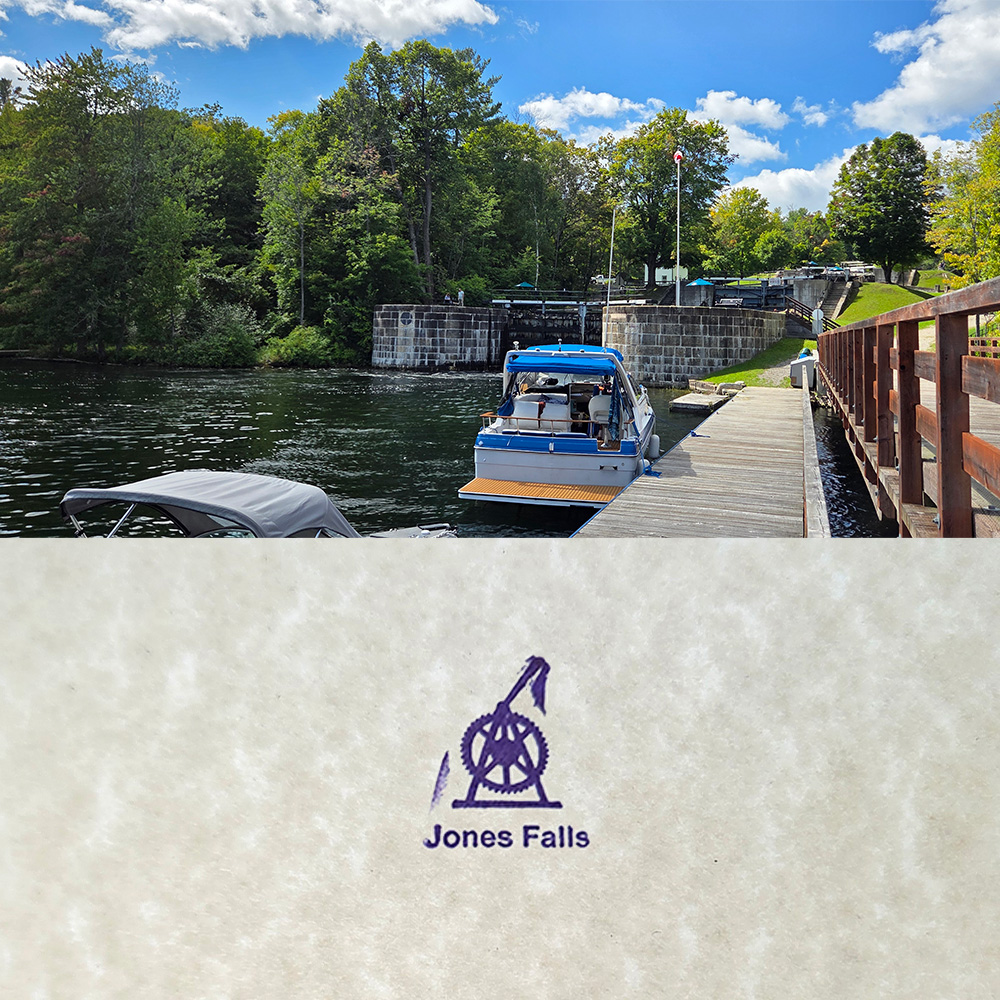
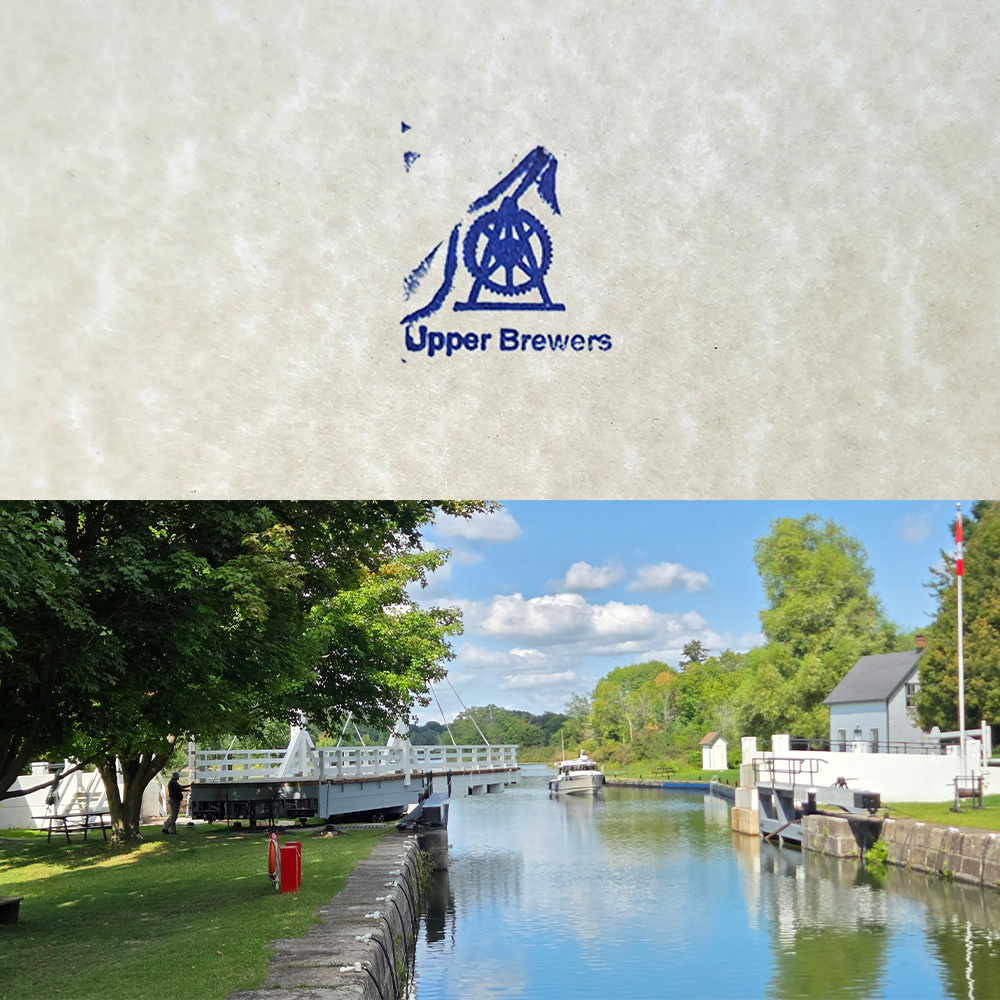
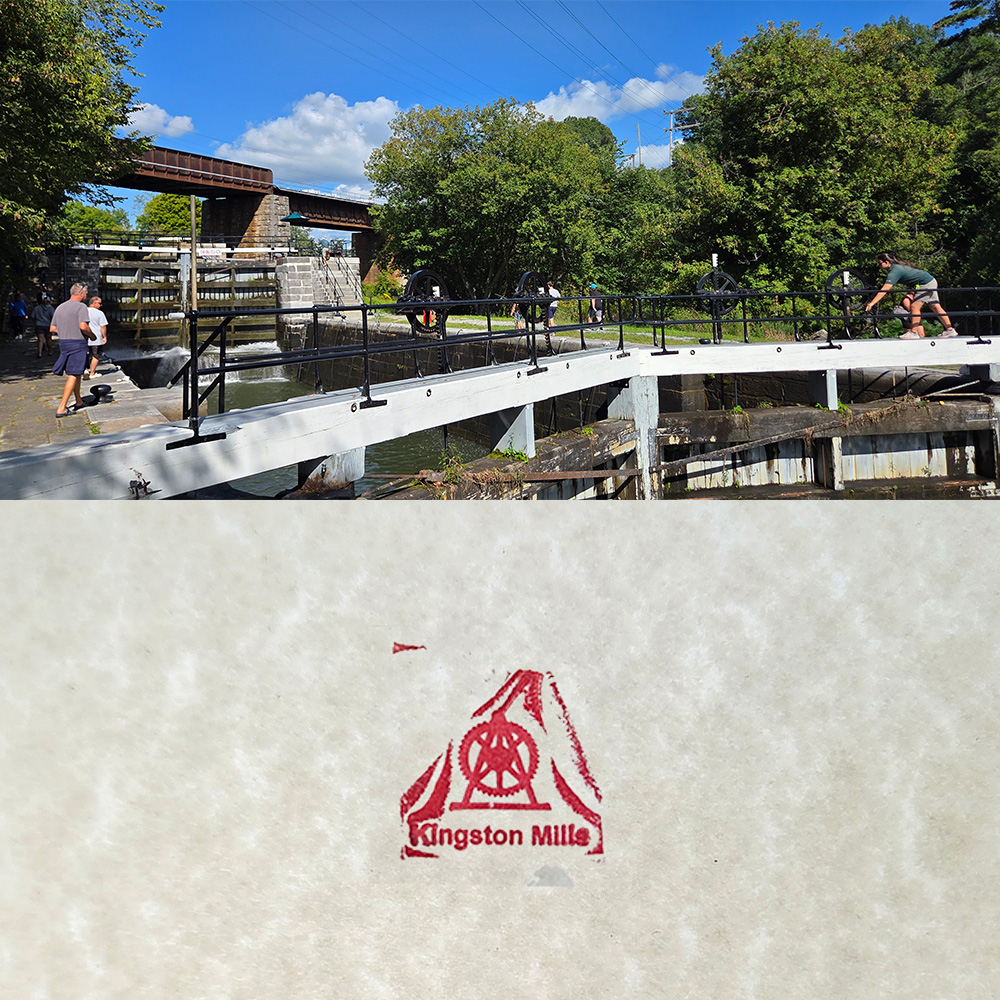
My friend and I had paddled a few sections before. This Labor Day long weekend, I decided to take a road trip along the route, hunting down each lockstation one by one—collecting stamps along the way, and gathering a treasure trove of stories in the process.
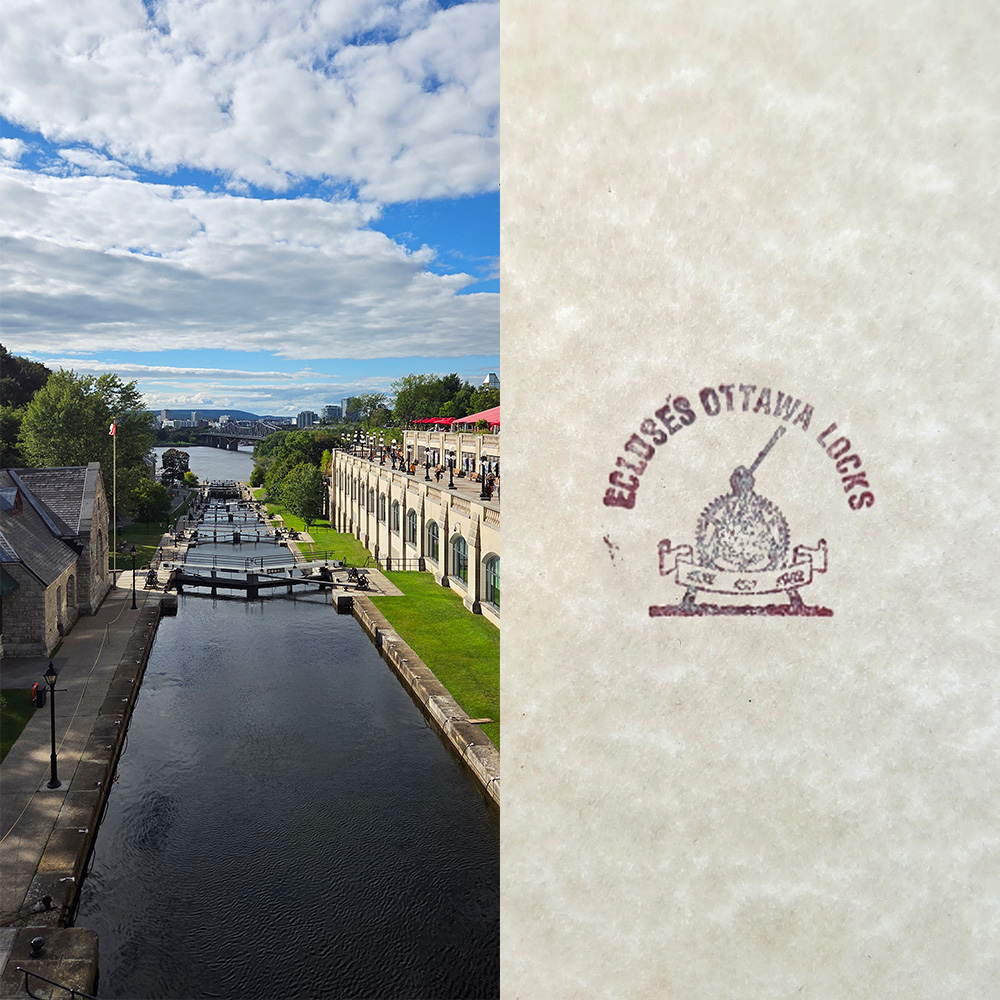
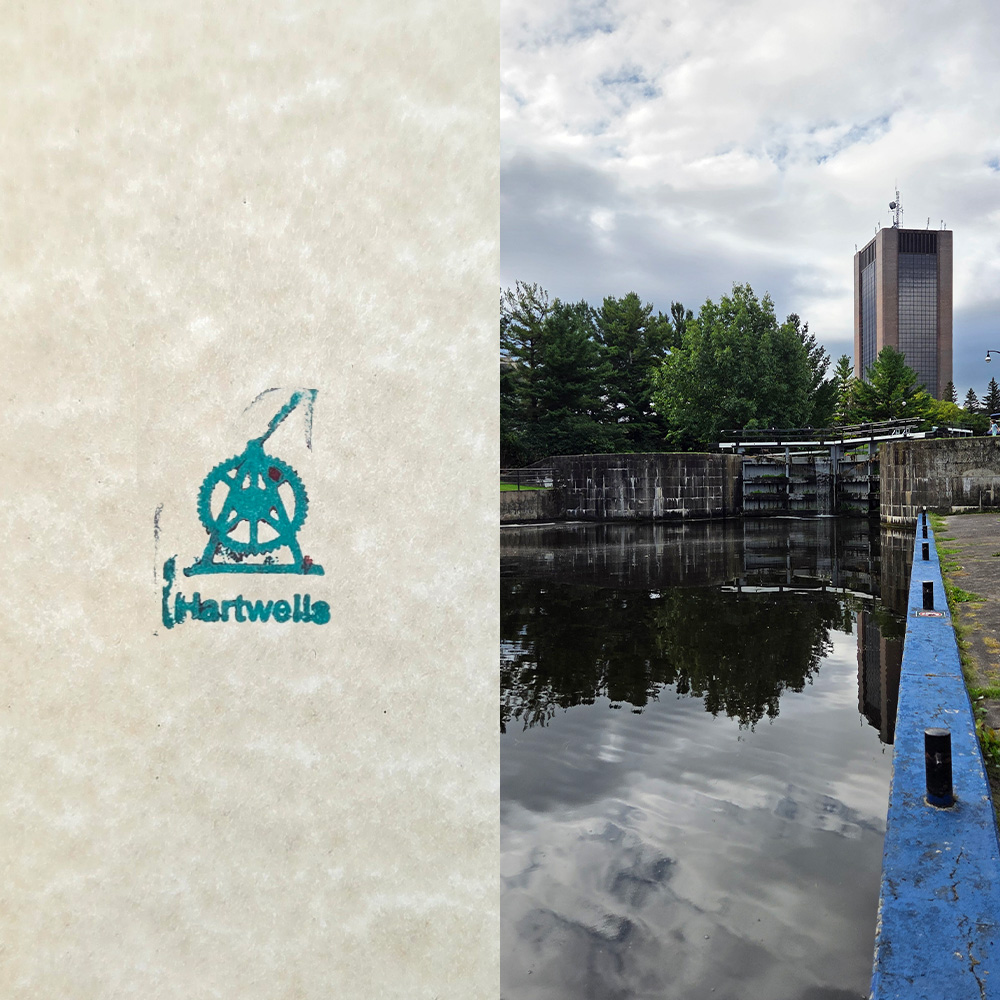
Like many national park passport stamps, quite a few at the Rideau lockstations have gone missing over the years, though thankfully most remain. (A quick side note: when I asked for the stamp at Ottawa Locks—the very first station in downtown Ottawa—they told me they didn’t have one! As it turns out, their stamp is actually hosted at the second station, Hartwells Locks!) Yet, the most rewarding part wasn’t the impulse to complete the set. It was how this delightfully old-school ritual gave me an excuse to chat with almost every Lockmaster, listening to firsthand tales of the canal’s rich lore.
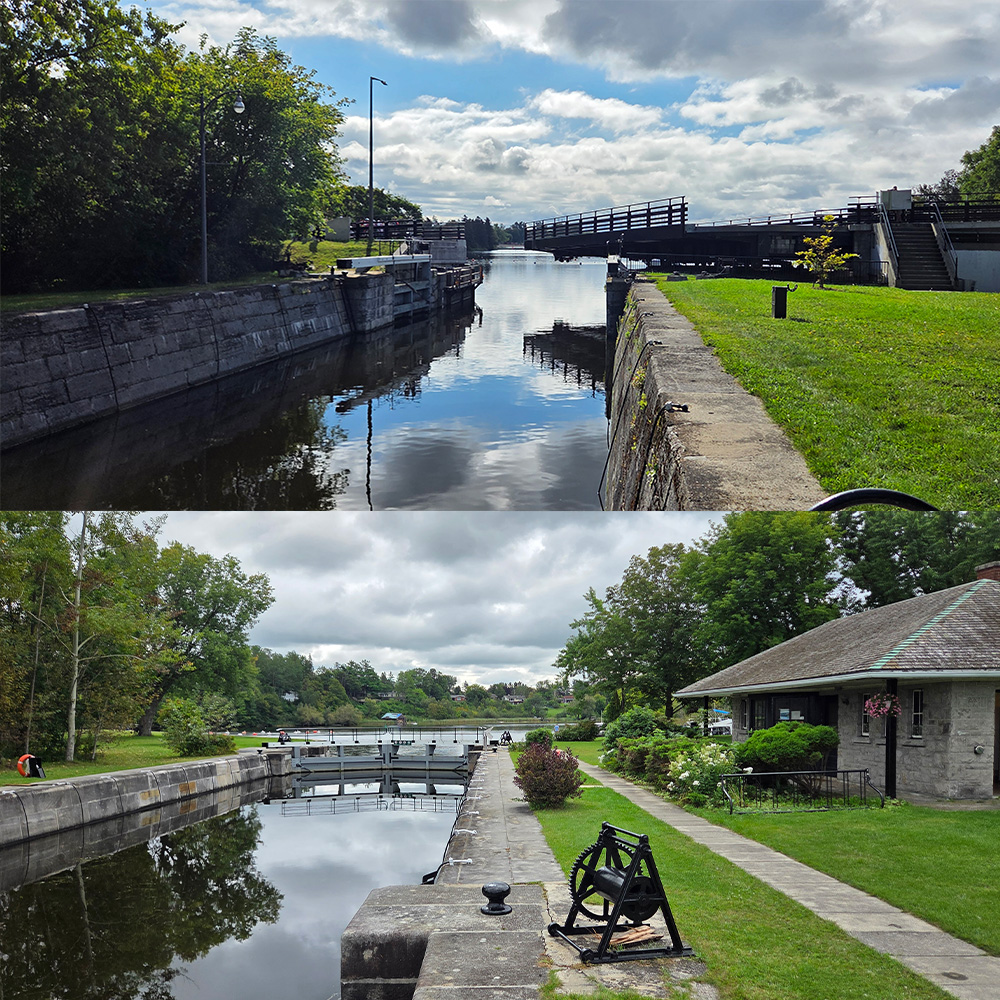
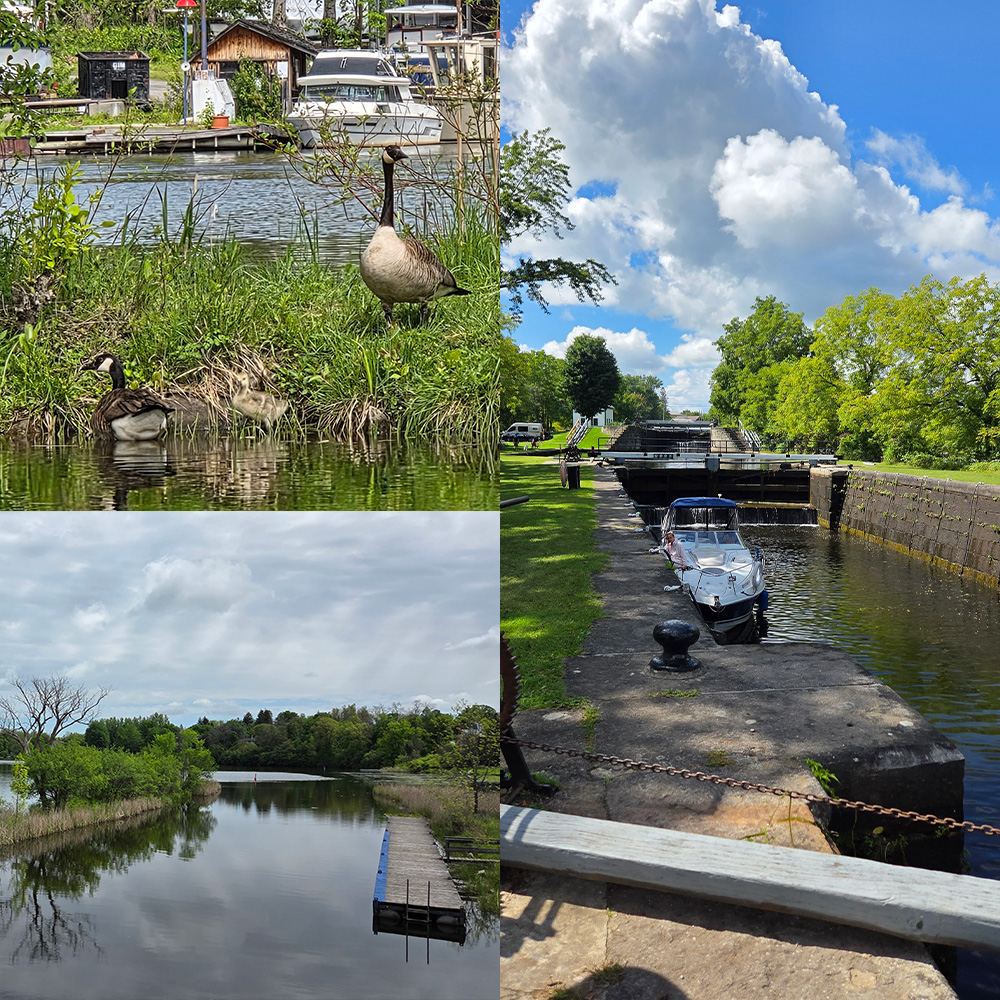
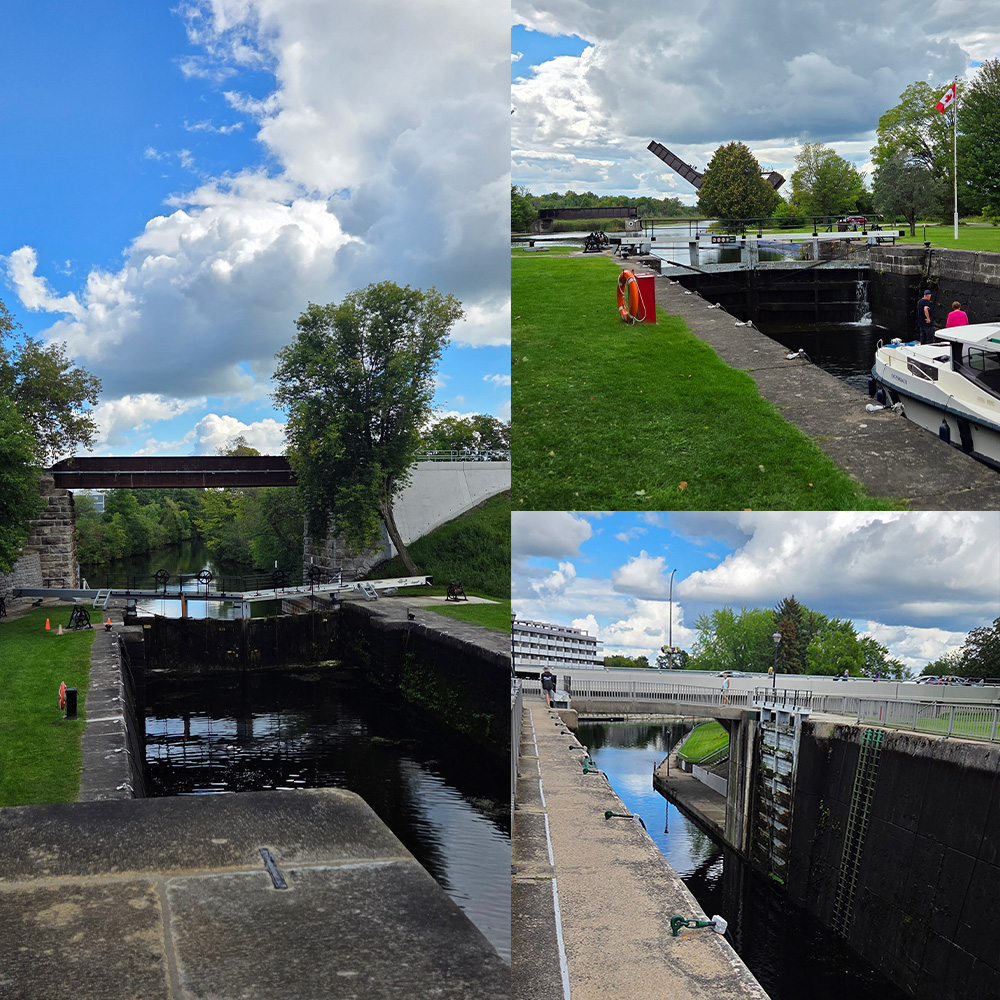
What fascinated me most was how each lockstation revealed its own distinct personality as the terrain, water levels, and surrounding landscapes shifted. Some featured impressive swing bridges; others had surprisingly minimal water drops, yet hid brilliant engineering logic dictated by the natural topography. What seemed like uniform stone structures transformed into entirely unique landmarks when sculpted into different landscapes.
In the end, visiting these stations became far more than just ticking boxes on a passport. Behind each tiny ink impression lies a living, breathing 200-year-old waterway—and the rich tapestry of history, engineering, and human connection that bloomed along its banks.
Looking back, a road trip like this turned out to be infinitely more meaningful than just chasing a full set of stamps.

 Anna Ren